Clean and safe water is essential for every household. With increasing concerns about contaminants in municipal water supplies, home water treatment services have become a necessity. These services not only ensure that your drinking water is free from harmful chemicals and microorganisms but also improve its taste, odor, and overall quality.
Importance of Home Water Treatment Services
Home water treatment services play a crucial role in safeguarding the health of your family. Without proper treatment, water can contain a variety of contaminants, including:
- Chlorine and Chloramines: Used to disinfect municipal water but can leave a strong taste and odor.
- Lead and Heavy Metals: Harmful if consumed over a long period, causing serious health issues.
- Microorganisms: Bacteria, viruses, and parasites that can cause waterborne diseases.
- Pesticides and Herbicides: Chemicals that seep into groundwater from agricultural runoff.
- Hard Water Minerals: Calcium and magnesium can cause scaling in pipes and reduce appliance efficiency.
By investing in professional home water treatment services, you can ensure that these impurities are effectively removed, providing safe and healthy water for all your household needs.
Types of Home Water Treatment Systems
Choosing the right water treatment system depends on the specific contaminants present in your water supply. Below are some of the most effective systems available:
1. Reverse Osmosis (RO) Systems
Reverse osmosis systems use a semipermeable membrane to remove impurities from water. This system effectively eliminates:
- Heavy metals
- Dissolved solids
- Bacteria and viruses
- Pesticides and other chemicals
Pros:
- Provides high-quality drinking water
- Reduces a wide range of contaminants
- Improves taste and odor
Cons:
- Wastes some water during the filtration process
- Requires regular maintenance
2. Activated Carbon Filters
Activated carbon filters work by adsorbing impurities from water as it passes through a carbon medium. These filters are effective in removing:
- Chlorine and chloramines
- Volatile organic compounds (VOCs)
- Bad taste and odor
Pros:
- Cost-effective and easy to install
- Improves water taste and odor
- Available in different formats (pitchers, faucet filters, and whole-house systems)
Cons:
- May not remove heavy metals or dissolved solids
- Requires periodic replacement of filter cartridges
3. Water Softeners
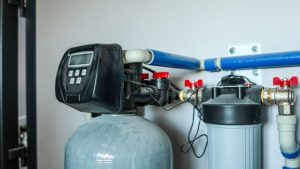
Water softeners are designed to remove hardness-causing minerals, such as calcium and magnesium, from water. They use an ion exchange process to replace these minerals with sodium or potassium ions.
Pros:
- Prevents scaling in pipes and appliances
- Extends the lifespan of water heaters and plumbing systems
- Improves soap lathering and reduces soap scum
Cons:
- Adds sodium to the water
- Requires periodic regeneration and maintenance
4. Ultraviolet (UV) Purification Systems
UV purification systems use ultraviolet light to kill bacteria, viruses, and other microorganisms in water. They are commonly used in conjunction with other filtration systems.
Pros:
- Effectively disinfects water
- Chemical-free and environmentally friendly
- Low maintenance
Cons:
- Does not remove chemical contaminants or sediments
- Requires a power source to operate
5. Distillation Systems
Distillation involves boiling water to produce steam, which is then condensed back into liquid form, leaving impurities behind. This method effectively removes:
- Heavy metals
- Bacteria and viruses
- Dissolved salts and minerals
Pros:
- Produces highly purified water
- Eliminates a wide range of contaminants
Cons:
- Slow process and consumes energy
- Removes beneficial minerals from water
Benefits of Home Water Treatment Services
Investing in home water treatment services offers numerous benefits, including:
1. Healthier Drinking Water
Clean water reduces the risk of waterborne illnesses and exposure to harmful chemicals, ensuring the health and well-being of your family.
2. Improved Taste and Odor
Filtration systems effectively remove chlorine, sediment, and other impurities that affect the taste and smell of your water.
3. Protection for Plumbing and Appliances
Hard water minerals can cause scaling in pipes and appliances, reducing their lifespan. Water softeners and filtration systems help protect your plumbing and appliances, saving you money in the long run.
4. Environmental Benefits
Using a home water treatment system reduces the need for bottled water, minimizing plastic waste and promoting environmental sustainability.
5. Cost Savings
By eliminating the need to purchase bottled water and reducing plumbing maintenance, home water treatment systems can lead to significant cost savings over time.
Choosing the Right Water Treatment System
To determine the most suitable water treatment system for your home, consider the following factors:
1. Water Quality Analysis
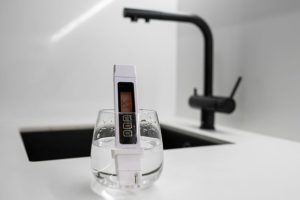
Conduct a water quality test to identify the specific contaminants present in your water supply. This will help you choose a system that targets those impurities effectively.
2. Household Needs
Consider the size of your household and the volume of water consumed daily. Larger households may benefit from a whole-house filtration system, while smaller homes may opt for point-of-use systems.
3. Budget and Maintenance
Evaluate the initial cost, installation, and ongoing maintenance requirements of different systems. While some systems may have a higher upfront cost, they may offer long-term savings and convenience.
4. Certifications and Standards
Ensure that the system you choose meets industry standards and is certified by reputable organizations such as NSF International or the Water Quality Association (WQA).
Professional Home Water Treatment Services
Hiring a professional water treatment service provider ensures that your system is installed and maintained correctly. Professionals offer:
- Water Testing and Analysis: Accurate assessment of your water quality
- System Recommendation and Installation: Expert guidance in choosing the right system and ensuring proper installation
- Maintenance and Repairs: Regular servicing to keep the system functioning optimally
Common Maintenance Tips for Water Treatment Systems
To ensure the longevity and effectiveness of your water treatment system, follow these maintenance tips:
1. Regular Filter Replacement
Replace filters according to the manufacturer’s recommendations to prevent clogging and ensure optimal performance.
2. Cleaning and Sanitizing
Clean and sanitize your system periodically to prevent bacterial growth and buildup of impurities.
3. Monitor System Performance
Keep an eye on the system’s performance, such as water pressure and taste, and address any issues promptly.
4. Schedule Professional Servicing
Schedule regular maintenance with a certified technician to ensure your system continues to function efficiently.
Investing in Safe and Clean Water
Home water treatment services are essential for maintaining the health and safety of your household. By understanding the different types of treatment systems and their benefits, you can make an informed decision that best suits your family’s needs. Whether you opt for a reverse osmosis system, a water softener, or a UV purification system, ensuring that your home’s water is clean and safe is a worthwhile investment. Proper maintenance and professional servicing further ensure the longevity and effectiveness of your chosen system, providing peace of mind and better health for years to come.
Frequently Asked Questions
- What are home water treatment services, and why are they important?
Home water treatment services involve installing systems that remove harmful contaminants from your water supply. These services ensure clean and safe drinking water by eliminating impurities like chlorine, heavy metals, bacteria, and pesticides. Clean water protects your family’s health, improves the taste of your water, and extends the life of your appliances. - How do I know which water treatment system is right for my home?
To choose the right system, conduct a water quality test to identify the contaminants present. Consider factors such as household size, daily water usage, and budget. Systems like reverse osmosis, activated carbon filters, and UV purification address different contaminants, so selecting one that targets your water’s impurities is essential. - What are the benefits of using a home water treatment system?
A water treatment system improves your family’s health by providing safer drinking water, enhances taste and odor, protects your plumbing and appliances from hard water damage, and reduces your dependence on bottled water, promoting environmental sustainability. Additionally, it saves you money in the long run by lowering maintenance and bottled water costs. - How often should I maintain my water treatment system?
Maintenance depends on the type of system you have. Generally, filters should be replaced every 6–12 months, while UV lamps and reverse osmosis membranes may need replacement annually or every few years. Regular cleaning and periodic professional servicing ensure optimal performance and longevity. - Can a water treatment system remove all types of contaminants?
No single system removes all contaminants. Reverse osmosis removes dissolved solids, heavy metals, and bacteria, while activated carbon filters eliminate chlorine and volatile organic compounds (VOCs). UV purification systems kill microorganisms, but they do not remove chemical contaminants. Combining systems may be necessary for comprehensive protection. - Are home water treatment systems expensive to install and maintain?
The cost varies depending on the type and size of the system. Point-of-use systems like faucet filters and pitchers are inexpensive, while whole-house systems such as reverse osmosis and water softeners have a higher initial cost. Although maintenance is required, regular servicing prevents costly repairs and ensures long-term savings. - Do water treatment systems require professional installation?
While some systems, like faucet-mounted filters, are easy to install, more complex systems such as reverse osmosis, water softeners, and UV purification require professional installation. Professionals ensure proper setup, conduct water quality tests, and provide ongoing maintenance, guaranteeing the effectiveness and longevity of your system.