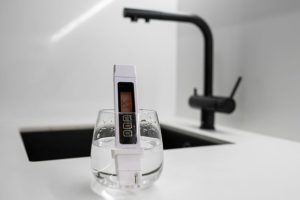
High amounts of calcium and magnesium in hard water are a prevalent problem in many homes. Hard water can harm your home and health, even if drinking is not dangerous. These problems may eventually result in expensive repairs, decreased appliance efficiency, and even adverse effects on your health. Knowing how hard water impacts both and why treatment is necessary can facilitate making educated decisions to safeguard both.
What Is Hard Water?
Water with a high concentration of dissolved minerals, especially calcium and magnesium, is called hard water. The water system absorbs these minerals through gypsum, chalk, or limestone deposits. Parts per million (PPM) or grains per gallon (GPG) are commonly used measurements for water hardness. In general, water with more than 7 GPG is considered hard and requires immediate hard water treatment.
The Impact of Hard Water on Your Home
Hard water can affect nearly every part of your home that uses water, from your plumbing to appliances and even your laundry. Here’s a closer look at some of the most common issues caused by hard water.
Reduced Efficiency of Appliances
Hard water can substantially impact the efficiency of household appliances and plumbing. It can also negatively impact water heaters, dishwashers, washing machines, and even coffee makers.
For instance, scale accumulation on the heating components of water heaters can force the unit to work harder to heat the water, increasing energy consumption and utility costs. Hard water in dishwashers and washing machines can deposit minerals on internal parts, shortening the equipment’s lifespan and raising the risk of malfunctions.
The Impact of Hard Water on Your Health
Skin and Hair Issues
The impacts of hard water on skin and hair are among the most obvious ones on health. Hard water’s mineral content can make soap not lather well, leaving a film on your skin. This residue has the potential to clog pores, causing irritation, dryness, and even acne. Hard water can aggravate the symptoms of eczema and other sensitive skin problems, making the skin more prone to irritation and itching.
Hard water can cause hair to become dry, brittle, and difficult to manage. While the residue on the hair can give it a lifeless, dreary appearance, the mineral accumulation on the scalp can cause dandruff and discomfort. Hard water can also gradually deplete hair’s natural oils, causing more breakage and split ends.
Drinking Water Concerns
Hard water has a high mineral concentration, which may make it taste bad to some people, even if it’s safe to drink. Dehydration may result from this decreased water intake, particularly in young people and the elderly, who are more susceptible to changes in water taste.
Additionally, while the minerals in hard water—such as calcium and magnesium—are essential nutrients, excessive intake of these minerals through drinking water can contribute to conditions like kidney stones in susceptible individuals. However, it’s important to note that the contribution of hard water to kidney stones is generally minimal compared to other dietary sources.
Why Hard Water Treatment Matters
Treating hard water is crucial, given the variety of problems it can cause your house and your health. In addition to preserving your appliances and plumbing, treating hard water enhances your quality of life.
Water softeners are the most popular solution for treating hard water. These systems effectively soften the water by using sodium or potassium ions in place of calcium and magnesium ions. Other choices include whole-house filtration systems that can handle several water quality issues at once and electronic descalers, which prevent scale buildup using electromagnetic pulses.
Join the community of Oceanus!
Seeking professional guidance in hard water treatment? Call us at – +1 951 737 1500 or visit our website to check relative services as per your requirement.