Understanding Hard Water and Its Impact
Hard water is a widespread issue, affecting many homes and businesses, especially in areas with high mineral content in the water supply. It’s caused by elevated levels of calcium and magnesium in the water, which naturally occur as water moves through rocks and soil. Though hard water is not harmful to human health, it can cause various issues around your home, including clogged pipes, reduced appliance efficiency, dry skin, and unsightly scale buildup.
In this blog, we’ll dive deeper into the most effective solutions to combat hard water problems and help you restore soft, pure water throughout your home. Whether you’re dealing with issues like soap scum, stubborn mineral deposits, or appliances working harder than they need to, these solutions will ensure your water quality remains top-notch.
What Is Hard Water?
Hard water is water that has high concentrations of dissolved minerals, particularly calcium and magnesium. These minerals come from the rocks and soil that water passes through before reaching your taps. While hard water isn’t a health risk, its effects can be damaging to both your plumbing and your personal hygiene.
Hard water causes scale buildup in pipes, fixtures, and appliances. Over time, this leads to a reduced lifespan of your plumbing system, clogged pipes, and inefficient water appliances. Even your skin and hair can suffer, leaving you feeling dry and irritated after a shower.
Signs of Hard Water in Your Home
If you’re unsure whether you have hard water, look out for these common signs:
- Scale buildup on faucets, showerheads, and tiles.
- Soap scum residue on bathtubs, sinks, and dishes.
- Clogged pipes or reduced water flow due to mineral accumulation.
- Dry skin and hair after bathing or showering.
- Frequent appliance malfunctions, such as with dishwashers and water heaters.
These signs are a clear indication that your home is dealing with the effects of hard water. Fortunately, there are effective solutions to fix these issues and keep your water clean and soft.
Effective Solutions for Combatting Hard Water Problems
- Water Softener Systems
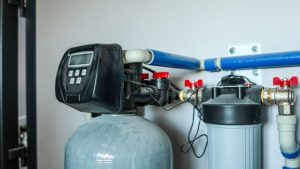
One of the most popular and effective solutions for hard water is installing a water softener system. These systems use a process known as ion exchange to replace calcium and magnesium ions with sodium or potassium ions, effectively softening the water.
- Benefits of Water Softener Systems:
- Prevents scale buildup on faucets, pipes, and appliances.
- Increases the lifespan of appliances like dishwashers, washing machines, and water heaters.
- Improves the quality of water, making it gentler on your skin and hair.
- Reduces soap scum on your dishes and bathroom surfaces, improving cleanliness.
Water softeners can be installed at the point of entry, treating all water entering your home, or at the point of use for specific appliances or areas.
- Reverse Osmosis Filtration Systems
Reverse osmosis (RO) filtration systems are another effective way to combat hard water. These systems use a semi-permeable membrane to remove dissolved minerals, contaminants, and impurities from your water, improving its quality.
While RO systems are typically used for drinking water, they can also help improve the overall water quality in your home. Combining a reverse osmosis system with a water softener offers comprehensive water treatment, addressing mineral hardness and waterborne contaminants.
- Advantages of Reverse Osmosis Systems:
- Provides purified drinking water by removing lead, chlorine, and fluoride contaminants.
- Enhances water taste, making it cleaner and more refreshing.
- Removes additional impurities from water that softeners alone may miss.
RO systems are an excellent option if you want the best water quality for both consumption and household use.
- Descaling Devices
Descaling devices are a chemical-free solution for homes dealing with hard water. These devices use electromagnetic or magnetic fields to prevent minerals from sticking to the surfaces in your pipes and appliances, thereby reducing scale buildup without altering the chemical composition of the water.
- Benefits of Descaling Devices:
- Eco-friendly and chemical-free, making them a safe and sustainable solution.
- Prevents scale buildup in pipes, appliances, and water heaters.
- Easy installation and low maintenance.
While descaling devices don’t soften the water, they provide a practical solution to prevent the harmful effects of hard water on your plumbing and appliances.
- Whole-House Filtration Systems
A whole-house filtration system can address both hard water issues and other water quality problems, such as chlorine or sediment contamination. These systems filter the water entering your home to remove a wide range of impurities, improving the quality of the water you use for bathing, cooking, and cleaning.
Whole-house filtration systems can be combined with a water softener to offer comprehensive protection against both mineral hardness and common contaminants.
- Benefits of Whole-House Filtration Systems:
- Removes contaminants like chlorine, chloramine, and sediments from your water supply.
- Provides cleaner water for all activities, from showering to cooking.
- Protects your appliances from buildup caused by minerals and contaminants.
Whole-house filtration systems are ideal for households that want to address multiple water quality concerns at once.
How to Maintain Your Water Treatment System
Maintaining your water treatment system is essential to ensure it works effectively and lasts longer. Here are some tips to keep your system in good condition:
- Check the salt levels in your water softener regularly to ensure it’s working efficiently.
- Replace filters in your reverse osmosis system as recommended by the manufacturer, typically every 6 to 12 months.
- Flush your water softener annually to remove mineral buildup and improve its efficiency.
- Inspect descaling devices periodically for any issues, ensuring they are functioning correctly.
By taking care of your water treatment system, you can ensure that your water remains soft and free of contaminants for years to come.
Hard water problems are common, but with the right solutions, you can protect your home and health from damaging effects. Water softeners, reverse osmosis systems, descaling devices, and whole-house filtration systems all offer unique benefits that can help you combat hard water issues and restore the quality of your water. Choose the system that best suits your needs, and make sure to maintain it regularly for optimal performance.
If you’re unsure about which system is right for you, contact us at Best Home Water Treatment Systems for expert guidance and professional installation services.
FAQs (Frequently Asked Questions)
Q1: How can I tell if my water is hard?
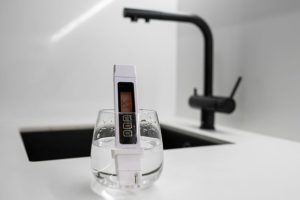
A1: You can tell if you have hard water by looking for signs like scale buildup on faucets, soap scum on dishes, dry skin after showers, or reduced water flow in pipes. A water hardness test kit can provide an accurate reading.
Q2: How often should I maintain my water softener system?
A2: It’s recommended to check the salt levels monthly and clean your system every 6 months to ensure optimal performance. Regularly flushing your system also helps keep it running smoothly.
Q3: Are reverse osmosis systems effective for hard water?
A3: While reverse osmosis systems are great for removing contaminants like chlorine, lead, and fluoride, they don’t directly soften the water. Combining an RO system with a water softener is a great solution for hard water.
Q4: Can I install a water treatment system myself?
A4: While some water treatment systems are DIY-friendly, it’s recommended to hire a professional for installation. Proper installation ensures the system works correctly and efficiently.