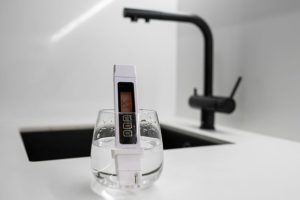
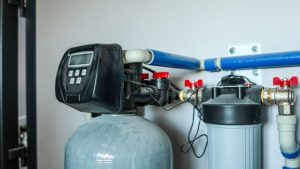
The water quality flowing through your home is more important than you might realize. Poor water quality, often due to high mineral content or contaminants, can have a lasting impact on household appliances. The issues linked to poor water quality can be frustrating and costly, from shortened appliance lifespans to higher energy bills. But the good news is, with the right treatment solutions, you can safeguard your appliances, improve efficiency, and save on maintenance costs. In this blog, we’ll explore how water quality impacts various home appliances and what you can do to protect them.
How Does Poor Water Quality Affect Home Appliances?
Understanding how water quality affects appliances can help homeowners make informed choices about maintenance and water treatment. Here are a few ways poor water quality can impact your daily household operations:
- Build-up of Mineral Deposits: Hard water contains high levels of calcium and magnesium, which leave mineral deposits inside appliances. This build-up can affect appliances like washing machines, dishwashers, and water heaters by reducing their efficiency and lifespan.
- Increased Energy Consumption: Mineral deposits in appliances can make them work harder, leading to increased energy consumption. A study by the Water Quality Research Foundation found that appliances using hard water use up to 30% more energy than those using softened water.
- Higher Repair and Replacement Costs: As appliances wear down faster due to poor water quality, the likelihood of repairs or premature replacements rises. Hard water alone costs U.S. households over $800 per year in maintenance and repairs for plumbing and appliances.

How Water Quality Impacts Every Appliance in Your Home?
Water quality doesn’t just affect one or two appliances; it impacts nearly everything that comes into contact with water in your home. Let’s examine how specific appliances are affected and what can be done to protect them.
- Water Heaters
Water heaters are particularly vulnerable to hard water. Mineral deposits from hard water accumulate at the bottom of water heater tanks, creating a layer of sediment that forces the heater to work harder to maintain the desired temperature. This leads to decreased efficiency, higher energy bills, and even premature failure of the heater.
Solution: A water softener system can help minimize mineral build-up in your water heater, improving its efficiency and lifespan.
- Washing Machines
Hard water can be a washing machine’s worst enemy. Mineral deposits clog the machine’s components, reducing water flow and affecting performance. Additionally, hard water requires more detergent to achieve the same level of cleaning, adding an extra expense to your laundry routine. Over time, the mineral build-up can damage the washer’s heating elements and drum, causing malfunctions.
Solution: Installing a home water conditioner can prevent the build-up of mineral deposits, enhancing the longevity of your washing machine and improving its efficiency.
- Dishwashers
Dishwashers frequently experience issues with hard water, such as mineral spots on glassware, poor cleaning performance, and clogging of internal parts. The build-up of minerals in the spray arms, hoses, and filters can make it difficult for the appliance to clean effectively. This leads to more cycles, higher water usage, and the need for regular descaling.
Solution: A water filtration system can improve water quality, reducing the need for costly repairs and helping your dishwasher operate more effectively. Softer water also reduces the need for excess detergent, saving you money in the long run.
- Coffee Makers and Kettles
Mineral deposits are particularly problematic for coffee makers and kettles. Hard water leaves a chalky layer inside these appliances, impacting their functionality and the taste of your beverages. Limescale build-up can clog the machine’s tubes and filter, leading to poor performance and frequent breakdowns.
Solution: Installing a water filtration or softener system can prevent mineral build-up, keeping your coffee makers and kettles in better shape and ensuring a fresher taste in every cup.
- Refrigerators with Water Dispensers and Ice Makers
Refrigerators with water and ice dispensers should be more noticed regarding water quality. However, these appliances are just as susceptible to mineral deposits and contaminants. Hard water can lead to clogging in the water lines, diminishing the dispenser’s efficiency and affecting ice quality. Moreover, pollutants in water may lead to unpleasant tastes or odors in your ice and drinking water.
Solution: A water filtration system designed for your home can help deliver better-quality water to your refrigerator, preserving the functionality of the dispenser and ice maker while ensuring better-tasting water and ice.
Faucets and showerheads are highly susceptible to mineral build-up from hard water, leading to clogs and reduced water flow. Over time, this accumulation restricts water pressure and affects the aesthetic of the fixtures, leaving them with a dull, chalky appearance. Not only does this reduce functionality, but it also makes cleaning and maintenance more challenging. Faucets and showerheads with hard water exposure may need to be replaced sooner than those with soft water.
Solution: Installing a home water conditioner can significantly reduce mineral deposits, keeping your faucets and showerheads free-flowing and shiny. This solution also reduces the time and effort needed for regular cleaning, as there will be less residue buildup.
- Toilets and Plumbing Pipes
Hard water impacts visible appliances and hidden areas, like toilets and plumbing pipes. Minerals in hard water accumulate inside pipes and toilet tanks, reducing water flow over time and increasing the risk of clogs and blockages. The mineral deposits, especially calcium and magnesium, create scaling inside pipes, narrowing their diameter and forcing your plumbing system to work harder. This ultimately shortens the lifespan of your entire plumbing system and increases your water bill due to reduced efficiency.
Solution: A water filtration system or water softener system can keep pipes and toilets clear of mineral buildup, enhancing the performance of your plumbing and prolonging the lifespan of your system. By reducing these mineral deposits, you can avoid costly plumbing repairs and enjoy more efficient water flow.

Protect Your Appliances, Save Your Wallet
Investing in a water treatment system isn’t just about improving the taste and safety of your water; it’s also a long-term strategy for protecting your home appliances. High-quality water reduces wear and tear, improves efficiency, and minimizes costly repairs and replacements. By taking proactive steps to manage water quality, you’re protecting your investment in your home appliances and creating a more efficient and cost-effective household.
Get started today! Contact us at Best Home Water Treatment Systems to learn more about our water softener systems and water filtration solutions. Transform your home’s water quality for better appliances and a better quality of life.