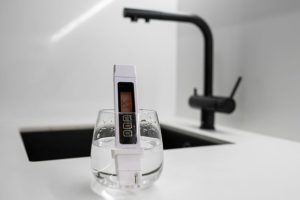
You pour a fresh glass of water from your kitchen faucet. At first glance, it looks completely fine, clear, cool, and inviting. But as you leave it sitting on the counter while you take a phone call, something strange happens. When you return twenty minutes later, that crystal-clear water has taken on a faint, rusty orange tint.
Then you start noticing it elsewhere. There is an ugly, reddish-brown ring tracing the waterline in your toilet bowl. Your brand-new white bedsheets are coming out of the washing machine with mysterious yellow streaks. And your morning coffee has a bizarre, harsh, metallic aftertaste.
If this sounds familiar, your home is dealing with a very common, highly frustrating water quality issue: excess iron.
While iron in drinking water isn’t considered a health hazard by the EPA—it’s actually classified as a secondary aesthetic contaminant—it is an absolute nightmare for your household. It ruins laundry, stains expensive porcelain, clogs pipes, and compromises the flavor of everything you cook. If you are tired of scrubbing orange stains out of your tub, let’s dive into how to identify the specific type of iron invading your plumbing and how to neutralize it for good.
The Jekyll and Hyde of Water: Identifying Your Iron Type
Before you can fix an iron problem, you have to know which version of iron you are fighting. In residential plumbing, iron usually presents itself in one of two distinct forms, and treating the wrong one is a quick way to waste money on a system that won’t work.
1. Clear-Water Iron (Ferrous Iron)
This is the trickiest type. When it flows out of your tap, the water looks perfectly clear. This is because the iron is completely dissolved in the water. However, the moment that dissolved iron hits the air in your glass, toilet, or tub, it oxidizes. It chemically changes form, solidifying into tiny particles that turn the water yellow or red and leave behind a stubborn, crusty stain.
2. Red-Water Iron (Ferric Iron)
This type doesn’t hide. When you turn on your faucet, the water is instantly yellow, orange, or red. Ferric iron is already oxidized before it ever leaves your tap. This usually happens when groundwater has already interacted with oxygen, or it is a sign that your home’s old iron pipes are actively rusting away from the inside out.
The “Toilet Tank” Quick Check
Want to know if you have an iron issue right now? Go lift the lid off your toilet’s back tank. If the inside walls of the tank are coated in a slimy, dark red or black sludge, you likely have Iron Bacteria. These are harmless organisms that feed on dissolved iron, leaving behind a sticky biofilm that can quickly clog your home’s valves and plumbing fixtures.
Point-of-Entry Defense: Sizing Up Your Options
If your home’s water is testing high for iron, a standard pitcher filter or a simple fridge filter will clog up and fail within weeks. To protect your property, you need a Whole-House Iron Filtration System installed at the point where water first enters your home.
1. Air Injection Oxidizing (AIO) Systems
These are the gold standard for heavy iron removal. An AIO system creates a pocket of compressed air at the top of a filtration tank. As your raw water passes through the air pocket, the dissolved iron is instantly oxidized into solid particles. The specialized media bed below then traps those particles, flushing them down the drain during an automatic backwash cycle.
2. Combination Water Softeners
If you have moderate hard water alongside lower levels of clear-water iron (usually under 2-3 ppm), a high-quality water softener loaded with a fine-mesh resin can handle both problems at once. The resin beads attract and hold both the calcium minerals and the dissolved ferrous iron molecules, cleaning them out during regular salt regenerations.
Protect Your Home With a Long-Term Iron Water Solution
Iron water is a relentless problem that won’t go away on its own. Every time you wipe down a rust-stained sink or re-wash a ruined load of laundry, you are losing a battle against your own well or municipal supply.
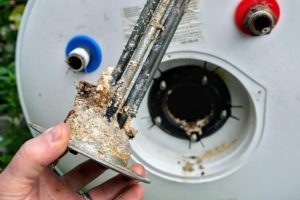
Investing in a proper whole-house iron filter isn’t just about changing the look of your water—it’s about protecting the infrastructure of your home. It saves your water heater from internal rust, keeps your water pressure strong, and ensures that every glass of water you pour tastes clean, crisp, and fresh.
Frequently Asked Questions
1. Is iron in drinking water dangerous to my health?
No, iron in tap water is generally not harmful to humans. It is regulated by the EPA as a secondary contaminant, meaning the concerns are purely aesthetic—it causes terrible stains, ruins clothes, and leaves a strong metallic taste.
2. Can a standard water softener remove all iron?
A water softener can only remove clear-water (ferrous) iron in small amounts, typically under 3 ppm. If you have red-water iron or iron bacteria, it will quickly foul the resin bed, destroying the softener’s efficiency.
3. Why do my white clothes turn yellow in the laundry?
When iron-heavy water mixes with laundry detergent and heat, the dissolved iron oxidizes instantly. The rust particles trap themselves inside the fabric fibers, turning bright whites into a permanent, dingy yellow or orange shade.
4. Will a whole-house carbon filter remove iron?
Standard carbon filters are excellent for removing chlorine and chemicals, but they cannot filter out dissolved iron. The iron will simply pass through the carbon or quickly coat it, ruining the filter long before its expected lifespan.
5. How do I test exactly how much iron is in my water?
While visual staining is a clear indicator, you should use a liquid droplet test kit or request a professional lab analysis. Knowing your precise iron level in parts per million (ppm) ensures you purchase correctly sized equipment.