Yes, for most Orange County kitchen remodels, an under-sink reverse osmosis system paired with an instant hot water dispenser is worth planning early. Reverse osmosis treats the water before it reaches the heating tank, which limits scale from local hard water, and the cabinet space, drain connection, and outlet are easiest to build in before the drywall goes up.
A kitchen remodel in Southern California means dozens of decisions: cabinet hardware, quartz or quartzite, where the pendant lights hang. The plumbing details often take a back seat, and many homeowners assume a new faucet is all they need. If you want the remodel to improve your daily routine, plan for the quality of the water coming out of that faucet, too.
One option that is becoming popular in higher-end remodels pairs an under-sink reverse osmosis system with an instant hot water dispenser. The reverse osmosis unit treats the water under the sink, and a compact heating tank next to it delivers near-boiling water at a dedicated tap. This combination works well in Orange County, but only if you plan early.
Is it worth the extra planning and the added cost? The answer depends on your local water and how you use your kitchen so we will start with the water.
What Orange County tap water means for a kitchen water system
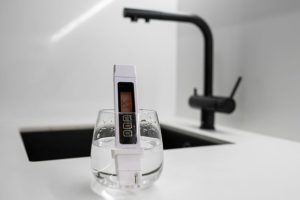
Orange County water is hard. Much of it is imported from the Colorado River and Northern California, and some districts also draw on local groundwater. The Yorba Linda Water District reports that its imported water averages 18 grains of hardness per gallon and its well water averages 20. The U.S. Geological Survey classifies water above 180 milligrams per liter, about 10.5 grains per gallon, as very hard. Your own number depends on which water district serves your address.
Water supplied through the Metropolitan Water District is disinfected with chlorine and ammonia, which form chloramine. Some homeowners notice a faint chlorine-like taste or smell. If you feed hard water straight into a standard instant hot water tank, scale is the larger concern for the equipment.
When you heat hard water, dissolved calcium and magnesium can come out of solution and form scale on the heating element and tank walls. The U.S. Geological Survey notes that heating hard water can leave solid calcium carbonate deposits. Scale lowers efficiency: a U.S. Department of Energy national laboratory study found gas storage water heater efficiency fell from 70.4 to 67.4 percent over about two years on hard water. That is why an instant hot water dispenser needs treated water.
What a reverse osmosis instant hot water system is
A reverse osmosis instant hot water system treats water before it reaches the heating tank, which protects the tank from scale.
Reverse osmosis pushes tap water through a semipermeable membrane that rejects most dissolved solids, including the minerals that cause hardness. The rejected water goes down the drain, and the treated water collects in a small storage tank under the sink.
From the reverse osmosis unit, the treated water can feed the instant hot water tank. Because most of the dissolved minerals have been removed, far less scale can form on the heating element, which is the main reason homeowners pair the two. Compatibility depends on the specific dispenser and reverse osmosis package, so confirm it before you order. For a deeper look at the process, see how reverse osmosis works.
How it changes everyday cooking and coffee
The technical benefits are impressive, but the real value of this system reveals itself the moment you start cooking. Having steaming hot, perfectly purified water on demand completely changes your kitchen’s rhythm.
Think about how often you wait on water. For a morning French press, you fill a kettle and wait at the stove. For pasta, a large pot takes a long time to boil. With an instant hot water tap, you start with water that is already very hot, so the pot reaches a boil noticeably sooner.
It helps with small tasks too. You can blanch asparagus, loosen tomato skins, or melt chocolate gently without setting up a double boiler. Because the water has been treated by reverse osmosis, it also has less mineral taste to compete with your coffee beans and delicate ingredients.
What to plan before the cabinets go in
Integrating this technology requires intentional foresight. You cannot wait until the cabinets are installed and the countertops are sealed to decide you want a reverse osmosis instant hot water system. You must communicate your plans to your contractor early in the design phase.
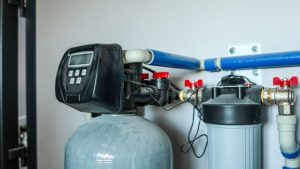
These systems need space. Plan to set aside a good share of the base cabinet under your sink for the equipment: a multi-stage filter set, a storage tank for the treated water, and the heating tank.
Beyond space, your contractor needs to plan the utilities. The reverse osmosis system needs a connection to the sink drain line for the rejected water, and the instant hot water tank needs a standard electrical outlet inside the base cabinet. If the electrician does not add that outlet before the drywall goes up, adding it later usually costs more and disrupts finished work.
You must also choose the right countertop configuration. Most setups require a dedicated secondary faucet mounted next to your primary kitchen sink faucet. Your fabricator needs to know exactly how many holes to drill into your expensive quartz or marble slab before they arrive for the final installation.
Wondering how hard your water is before you commit to a system? Best Home Water offers a free in-home water quality test. Schedule it through our services page or call (951) 737-1500.
Why treating the water protects your remodel
A kitchen remodel is a major financial commitment, and the water running through your new faucets and appliances deserves the same attention as the finishes.
A reverse osmosis system delivers cleaner drinking and cooking water at the tap. The Orange County Water District reports that PFAS, sometimes called “forever chemicals,” have been detected in very tiny amounts in parts of the local groundwater basin, and it is working with retailers to address them. Reverse osmosis is one technology used to reduce PFAS at the tap. Still, results depend on the system, so ask for performance data such as NSF/ANSI 58 certification before you buy. Our guide on PFAS in drinking water explains more about what homeowners can do, and our water filtration page covers options beyond the kitchen.
Over time, protecting the heating tank from scale can reduce the chance of early replacement. An under-sink system can also mean fewer bottled water purchases and less plastic waste. The upfront cost is real, so ask for a written installed price before you commit.
The bottom line for your remodel
Designing a good kitchen is about removing friction from daily life. An InstaHot dispenser installed with reverse osmosis in a Southern California kitchen saves time, improves the taste of coffee and tea, and gives you more confidence in the water your family drinks.
If you’re planning an Orange County renovation, bring plumbing into the conversation early. Talk with your contractor about cabinet space, the drain connection, and a dedicated outlet, and ask your designer to leave room in the countertop for a second faucet. Our guide to water quality testing before installation explains what a good water test covers.
Adding reverse osmosis and an instant hot water dispenser to a remodel is a decision you will notice every day. To plan yours, contact Best Home Water at (951) 737-1500 or request a visit through our contact page.
Frequently Asked Questions
1. Can I install an instant hot water dispenser without reverse osmosis?
Yes, the two are separate products. In a hard-water area like Orange County, though, untreated water can leave scale on the heating element and shorten its life, so many homeowners pair them. Ask your installer what the dispenser manufacturer recommends for your water.
2. Does a reverse osmosis system need an electrical outlet under the sink?
Many standard under-sink reverse osmosis systems run on household water pressure alone, while the instant hot water tank needs a standard outlet inside the base cabinet. Some reverse osmosis systems include a booster pump that also needs power, so confirm the details for the model you choose.
3. How much cabinet space does a reverse osmosis instant hot water system need?
Plan for a good share of the under-sink base cabinet, because the filters, the storage tank, and the heating tank all need to fit. The exact footprint depends on the models, so give your cabinet maker the product dimensions early.
4. Will a reverse osmosis system lower the water pressure at my kitchen faucet?
Your main kitchen faucet is not affected. Reverse osmosis treats water slowly and holds it in a storage tank so that the dedicated drinking water faucet may flow a little more slowly than your main tap.
5. How often do I need to replace the filters?
Schedules vary by system and by your water. Many manufacturers recommend changing the sediment and carbon prefilters about once a year and the reverse osmosis membrane every few years, so follow your model’s schedule. Our guide to filter replacement timing explains what affects it.
6. Does boiling tap water remove hard minerals?
No. Boiling does not remove dissolved minerals. As water evaporates, the minerals stay behind and become more concentrated, which is why kettles and heating elements develop white scale.
7. How much does a reverse osmosis system with an instant hot water dispenser cost?
Cost depends on the system you choose, the dispenser, and the cabinet and electrical work involved. A free in-home water quality test is the best first step because it shows what your water needs before you choose equipment.