Water is life, but the purity of the water you and your family consume every day depends heavily on your water filtration system’s performance. For homeowners in Orange County, maintaining your system is not just about ensuring clean and healthy water; it also protects your investment and extends the lifespan of your filtration system.
Neglecting routine maintenance can lead to reduced filtration efficiency, increased contamination risks, higher repair costs, and even potential health hazards. At Best Home Water Treatment Systems, we emphasize that a well-maintained system guarantees peace of mind, better-tasting water, and long-term savings.
Understanding Your Water Filtration System Components
Before diving into maintenance, it’s important to understand the components most common in residential water filtration systems:
Common Systems Installed in Orange County Homes
- Activated Carbon Filters: Reduce chlorine, bad tastes, odors, and some chemicals.
- Reverse Osmosis (RO) Systems: Remove dissolved solids, heavy metals, and many other impurities.
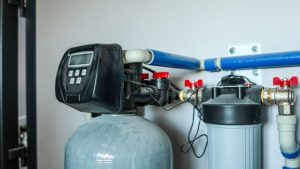
- Water Softeners: Reduce hardness minerals like calcium and magnesium to prevent scale buildup.
- UV Purifiers: Kill bacteria and viruses for added safety.
Why Maintenance Differs by System
Each filtration type has unique components, maintenance needs, and recommended service schedules. Ignoring these can reduce their effectiveness significantly.
The Importance of Regular Maintenance — Stats That Matter
- According to the Water Quality Association, a poorly maintained filter can decrease water flow and purity by up to 40% within the first year if not serviced properly.
- A study by the EPA shows that regular maintenance can extend a filtration system’s effective lifespan by 2-3 times, preventing costly premature replacements.
Routine Maintenance Tips by System Type
| System Type | Key Maintenance Tasks | Recommended Frequency |
| Activated Carbon Filter | Replace cartridge, sanitize housing, check seals | Every 6-12 months |
| Reverse Osmosis System | Replace pre-filters, membrane, sanitize system | Filters: 6-12 months; Membrane: 2-3 years |
| Water Softener | Refill salt, clean brine tank, inspect resin | Salt refill monthly; Resin cleaning every 5-10 years |
| UV Purifier | Replace UV lamp, clean sleeve | Annually |
Activated Carbon Filter Maintenance
Activated carbon filters work by adsorbing chemicals and chlorine from your water. Over time, they become saturated, making regular replacement crucial.
- Replace cartridges every 6-12 months: This prevents buildup of trapped contaminants that can degrade water quality.
- Flush and sanitize housing during filter changes: Prevents bacterial growth inside the filter housing.
- Lubricate O-rings with food-grade silicone: Avoids leaks and ensures proper sealing.
Reverse Osmosis System Maintenance
RO systems have multiple stages, each requiring attention to maintain optimal performance.
- Pre-filters (sediment and carbon): Replace every 6-12 months to protect the RO membrane.
- RO membrane: Replace every 2-3 years, depending on water quality and usage. Membranes lose efficiency when clogged.
- Post-filters: Usually replaced every 12 months.
- Annual sanitization: Helps prevent microbial growth inside the system.
- Flush the drain line filter monthly: This keeps the system flowing properly and prevents blockages.
Water Softener Maintenance
Water softeners improve water quality by removing hardness minerals.
- Check salt levels monthly: Salt powers the regeneration process; always keep the brine tank sufficiently full.
- Clean the brine tank yearly: Salt bridges and sediment can block salt from dissolving properly.
- Use high-quality salt pellets or crystals: Avoids impurities that may clog the system.
- Inspect resin beads every 5-10 years: Resin degradation reduces softening efficiency.
UV Purifier Maintenance
UV systems are often combined with other filtration to ensure biological safety.
- Replace the UV lamp annually: UV bulbs lose intensity over time, reducing effectiveness.
- Clean the quartz sleeve during bulb replacement: Removes any deposits that block UV light.
- Check flow sensors and electrical components: Ensures proper operation.
Signs Your System Needs Maintenance or Repair
1. Water flow decreases or fluctuates
Reduced or inconsistent water flow usually indicates clogged filters, sediment buildup, or pressure issues. It’s a clear sign your system needs inspection, cleaning, or filter replacement to restore performance.
2. Unpleasant tastes or odors return
Foul smells or odd tastes often signal exhausted filters or bacterial contamination. Addressing it quickly prevents health risks and ensures your system continues delivering clean, safe, great-tasting water.
3. Visible leaks or damp areas near equipment
Leaks near filtration components may stem from worn O-rings, cracked housings, or loose fittings. These issues risk water damage, reduce pressure, and should be repaired immediately to prevent escalation.
4. Increased water hardness or scale buildup
If you’re seeing spots on dishes or scale on fixtures, your water softener may be failing. It could indicate depleted resin, low salt levels, or system malfunction requiring maintenance.
5. Filter change indicator light is on
Modern systems alert you when filters need changing. Ignoring this indicator can lead to poor filtration, flow issues, and eventually compromise water safety. Replace filters promptly for optimal performance.
6. High Total Dissolved Solids (TDS) readings
A spike in TDS means your reverse osmosis membrane or filters are no longer effective. High readings indicate water is less pure and the system needs servicing or component replacement soon.
How to Monitor Your Water Filtration System’s Performance
Tools You Can Use at Home
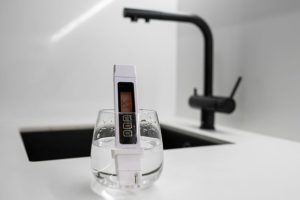
- TDS meters: TDS meters help track how well your system removes dissolved contaminants. A sudden spike in TDS indicates filter wear or membrane failure, signaling it’s time for maintenance or replacement.
- Pressure gauges: Pressure gauges identify blockages or flow issues. A noticeable drop often means clogged filters or a malfunctioning system, while high pressure may indicate risk of leaks or plumbing stress.
- pH testing kits: pH kits ensure your water stays in the ideal range (6.5–8.5). Deviations can damage pipes, affect taste, or signal chemical imbalances requiring filtration system adjustment or servicing.
Regularly monitoring these helps you stay proactive with maintenance.
Professional Maintenance Services from Best Home Water Treatment Systems
While some maintenance tasks are DIY-friendly, professional annual inspections are invaluable.
- Full system sanitation and deep cleaning
- Membrane performance testing and replacement
- Leak detection and plumbing integrity checks
- Water quality testing post-maintenance
- Customized maintenance schedules and reminders
Our certified technicians proudly serve Orange County and extend into Los Angeles and Riverside County, delivering trusted, licensed services since 1984.
Eco-Friendly & Cost-Effective Maintenance Practices
- Use high-quality replacement filters certified by NSF/ANSI for longer lifespan.
- Choose low-waste RO systems like the Water Maker Five that cut water wastage by up to 50%.
- Recycle used cartridges and dispose of brine responsibly.
- Utilize digital reminders to never miss a filter change.
Maintenance Checklist — Seasonal & Annual
| Time Frame | Task | Description |
| Monthly | Check salt levels (water softeners) | Keep brine tank filled |
| Quarterly | Inspect filter housings for leaks | Tighten fittings and lubricate O-rings |
| Every 6 mo | Replace carbon/ sediment pre-filters | Maintains filtration and protects membranes |
| Annually | Sanitize and clean entire filtration system | Prevents microbial buildup |
| Every 2-3 yrs | Replace RO membranes | Restores purification performance |
| Annually | Replace UV lamps | Maintains disinfection efficiency |
Common Mistakes to Avoid in Water Filtration Maintenance
- Waiting too long to change filters—leading to clogged systems and bacterial growth.
Delaying filter replacements causes buildup, clogs, and promotes bacteria. This not only degrades water quality but also stresses your system, reducing its efficiency and potentially harming your family’s health. - Using incorrect replacement parts not certified for your system.
Non-certified parts may not fit properly or meet filtration standards. They can compromise performance, cause leaks, damage the system, and even void your warranty—costing more in the long run. - Neglecting O-ring lubrication, causing leaks.
Dry or cracked O-rings lead to leaks and pressure drops. Regular lubrication with food-safe silicone ensures a tight seal and prevents costly water damage or system inefficiencies. - Skipping professional annual inspections.
Annual inspections catch hidden issues, extend your system’s life, and ensure optimal performance. Skipping them can result in undetected wear, poor water quality, or expensive emergency repairs. - Ignoring sudden changes in water taste or pressure.
Unusual taste, odor, or pressure may signal a failing filter or system issue. Ignoring these early warnings can lead to serious contamination or complete system failure over time.
Keep Your Water Clean and Your System Efficient
Routine maintenance is the cornerstone of effective water filtration. By staying vigilant with filter changes, professional servicing, and system monitoring, Orange County homeowners can enjoy:
- Pure, safe water with great taste
- Lower risk of appliance damage
- Reduced repair costs and extended system lifespan
At Best Home Water Treatment Systems, we’re committed to your water’s safety and your family’s health. Schedule your system checkup or consultation today to ensure your filtration system is performing at its best.
Contact us now for expert maintenance and service in Orange County and beyond.
Frequently Asked Questions
Q1: How often should I replace filters?
Most filters need replacement every 6–12 months, depending on water usage and quality. Follow the manufacturer’s guidelines or consult our team to avoid performance drop and contamination.
Q2: Can I perform all maintenance myself?
You can handle basic tasks like replacing filters and refilling softener salt. However, annual professional servicing is essential for system sanitization, membrane checks, and warranty compliance.
Q3: What if I ignore maintenance?
Neglecting maintenance can result in reduced filtration efficiency, bacterial growth, bad-tasting water, potential system damage, and invalidated warranties—leading to costly repairs and unsafe water for your family.
Q4: Are there warranties for maintenance services?
Yes. When performed by certified professionals using approved parts, maintenance services help retain your system’s warranty and ensure optimal performance for the long term.
Q5: Does maintenance service include water testing?
Absolutely. Our routine maintenance includes comprehensive water quality testing to verify that your filtration system is functioning properly and delivering clean, safe water after service.