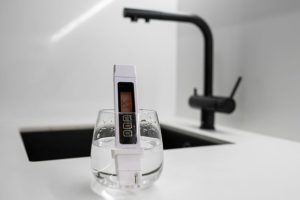
Introduction: Is Your Water Safe to Use?
Many homeowners assume their tap water is safe, but even treated municipal water can contain contaminants, heavy metals, and impurities. If you notice unusual tastes, odors, or stains in your sinks, these could be warning signs that your home needs a water treatment system.
By recognizing these signs early, you can protect your family’s health, extend the life of appliances, and improve overall water quality. This blog will help you identify the most common indicators that your home needs a water filtration or softening system.
1. Unpleasant Taste or Odor in Water
Why It Happens
Tap water should be odorless and have a neutral taste. If your water has a bad taste or smells strange, it may contain:
- Chlorine – Used in municipal water treatment but can leave an unpleasant bleach-like taste.
- Sulfur (Rotten Egg Smell) – Indicates hydrogen sulfide, which can be naturally occurring or result from bacterial growth.
- Metallic Taste – Often caused by excessive iron, lead, or copper leaching from pipes.
Solution
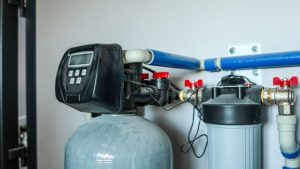
A whole-house water filtration system can effectively remove these contaminants. Check out our Whole House Water Filtration Systems to find the best solution for your home.
2. Hard Water Stains & Scale Buildup
Why It Happens
Hard water contains high levels of calcium and magnesium, which leave white or chalky deposits on fixtures, sinks, and shower doors. This mineral buildup can also clog pipes and reduce appliance efficiency.
Common Signs of Hard Water:
✔ White spots on dishes and glassware
✔ Soap scum buildup in sinks and tubs
✔ Dry, itchy skin after showering
✔ Reduced water pressure due to pipe scaling
Solution
A water softener removes excess minerals, preventing hard water stains and extending the lifespan of your appliances. Learn more about our Water Softener Systems.
3. Frequent Plumbing Issues & Pipe Corrosion
Why It Happens
If your plumbing system experiences constant leaks, low water pressure, or rust-colored water, your pipes may be corroding due to acidic or contaminated water.
Common Indicators:
✔ Rust stains in toilets, sinks, or tubs
✔ Green or blue stains (indicating copper pipe corrosion)
✔ Frequent pipe leaks or burst pipes
Solution
Installing a whole-house water filtration system can prevent further damage by balancing pH levels and removing corrosive elements.
4. Cloudy or Discolored Water
Why It Happens
Clean water should be clear and colorless. If your water appears murky, yellow, or brown, it may contain:
- Sediment or rust particles from aging pipes
- Iron or manganese, which can stain laundry and fixtures
- Bacteria or organic matter, which can pose serious health risks
Solution
A reverse osmosis (RO) system can effectively remove suspended particles, bacteria, and contaminants, ensuring clear, safe drinking water.
Explore our Reverse Osmosis Systems for advanced filtration options.
5. Recurring Skin Irritations & Dry Hair
Why It Happens
Chlorine and hard water minerals strip natural oils from your skin and hair, causing dryness, itchiness, and irritation. Hard water can also worsen conditions like eczema.
Solution
A whole-house filtration system with a water softener can remove harsh minerals and chemicals, improving your skin and hair health.
6. High Water Bills & Inefficient Appliances
Why It Happens
If your water heater or dishwasher is working harder than usual, hard water buildup may be reducing efficiency. This leads to higher energy bills and frequent appliance repairs.
Solution
A water softener prevents scale buildup, improving appliance performance and lowering energy costs.
7. Strange Floating Particles in Water
Why It Happens
Tiny floating particles in your water could be sediment, bacteria, or microplastics. These can come from aging pipes, untreated water sources, or industrial pollution.
Solution
A multi-stage filtration system with sediment and carbon filters can eliminate unwanted particles and purify your water supply.
8. Recurring Stomach Issues or Health Concerns
Why It Happens
If you or your family frequently experience stomach issues, digestive discomfort, or unexplained illnesses, your tap water may contain harmful bacteria, lead, or nitrates.
Solution
A reverse osmosis system removes up to 99% of bacteria, viruses, and heavy metals, ensuring safe drinking water.
Check out our RO Filtration Systems for advanced water purification.
Frequently Asked Questions
1. How do I know if my home needs a water treatment system?
If you notice bad odors, strange tastes, stains, or skin irritation, your home likely needs water filtration.
2. What is the best system for hard water?
A water softener removes calcium and magnesium, preventing scale buildup.
3. Can I install a water filter myself?
Some under-sink and faucet filters are DIY-friendly, but whole-house systems require professional installation.
4. What’s the difference between a water filter and a water softener?
A water filter removes contaminants, while a water softener eliminates hard water minerals.
5. Does a reverse osmosis system remove lead?
Yes, RO systems remove lead, chlorine, bacteria, and other harmful substances from drinking water.
6. How often should I replace my water filters?
Most filters should be replaced every 6-12 months, depending on usage.
7. Is well water safe to drink without filtration?
No, well water may contain bacteria, sediment, and heavy metals. A whole-house filtration system is recommended.
8. Who should I contact for a water treatment system installation?
For expert recommendations and professional installation, contact Best Home Water Treatment Systems today.