Thinking about installing a water filtration system in your Orange County home? Start smart with professional water quality testing from Best Home Water Treatment Systems. Our expert testing reveals exactly what’s flowing from your taps, so you don’t waste money on the wrong system. With precision diagnostics and tailored solutions, we help you achieve pure, safe, great-tasting water—the right way, the first time. Because when it comes to your family’s health, guesswork isn’t an option.
What Is Water Quality Testing?
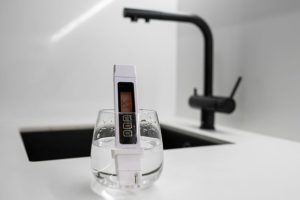
Water quality testing measures the physical, chemical, and biological characteristics of your water, including:
- Physical parameters: turbidity, color, odor
- Chemical parameters: minerals (calcium, magnesium), disinfectants (chlorine), heavy metals (lead, arsenic), pH
- Biological contaminants: bacteria, viruses, protozoa
It can be done via:
- At-home kits (strip or color disk tests)
- Professional laboratory analysis, which is more accurate and comprehensive
Why Testing Before Installation Matters
3.1 Prevents System Mismatch & Wasted Costs
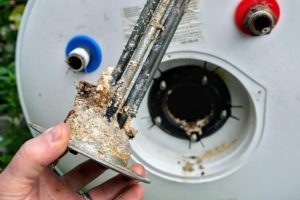
Without testing, you might choose a system that doesn’t address critical contaminants, or overpay for unnecessary features. For instance, installing a full RO system for just chlorine removal is inefficient both in installation and water use.
3.2 Protects Health & Safety
Nearly 90% of households in a rural India study had fecal bacteria contamination—and residents only changed behavior once they had clear test results.
In the U.S., per- and polyfluoroalkyl substances (PFAS) are found in up to 45% of tap water supplies health.com. Local testing helps identify such harmful “forever chemicals,” ensuring systems are designed to remove them.
3.3 Ensures Customized Solutions
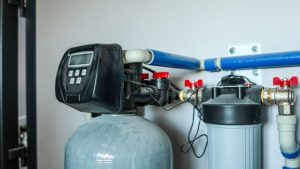
Testing reveals specific issues—like high hardness or lead—that require tailored systems, such as dual-media softeners or catalytic filters for PFAS, rather than generic options.
3.4 Enhances Efficiency & Longevity
Systems matched to identified contaminants work more effectively and last longer. Misaligned systems often clog faster and waste water due to unnecessary filtration stages.
3.5 Regulatory & Warranty Compliance
Using certified products and following guidelines supports system warranties. Many manufacturers (including ours) require documented testing before honoring warranties.
How We Test Water at Best Home Water Treatment Systems
1. Analysis & Report Generation with benchmark comparisons
Your water sample is analyzed in detail, and the results are compared against EPA and health benchmarks. This report highlights contaminants present and their concentrations, helping identify potential health risks and guiding next steps in system selection.
2. System Recommendation based on Contaminant Profile
Based on the test results, our team recommends a tailored water filtration system that directly targets the contaminants found. This ensures you get the most effective and efficient solution without unnecessary features or added costs.
3. Pre-install Consultation covers cost, installation site, and timeline
We’ll walk you through the recommended system, outline all installation details, provide transparent pricing, and schedule installation at your convenience. Our experts also evaluate the best location for seamless system integration in your home.
4. Professional Installation using certified products
Certified technicians install your filtration system using NSF and WQA-approved components. Professional setup ensures optimal performance, leak-free operation, and compliance with manufacturer warranties, providing peace of mind and long-term reliability.
5. Post-Installation Testing ensures system works
After installation, we conduct follow-up testing to confirm your new system is effectively removing contaminants. This validation guarantees you’re getting the clean, safe water you expected and that the system is functioning properly.
6. Maintenance Plan for filter change reminders
We offer a maintenance schedule and optional reminders to ensure timely filter replacements. This helps maintain system efficiency, water quality, and extends the lifespan of your filtration equipment without requiring you to track it manually.
Typical Contaminants & Testing Recommendations
| Contaminant | Health/Plumbing Risk | Test Recommended? | Treatment Option |
| Hard water minerals | Scale buildup | Yes | Water softener |
| Chlorine/Chloramine | Taste, odor, pipe corrosion | Yes | Carbon filter |
| Lead/Copper | Neurotoxicity, poisoning | Yes | RO + certified filter |
| Bacteria/E. coli/Viruses | Illness risk | Yes | UV/chlorine/RO stage |
| PFAS/”forever chemicals” | Long-term health impact | Yes | High-end activated carbon |
| pH Imbalance | Corrosion or scale | Yes | Acid/alkaline dosing systems |
Types of Tests: DIY Kits vs. Professional Labs
| Feature | DIY Kits | Professional Labs |
| Cost | $15–$50 per test | $100–$300 for comprehensive panel |
| Accuracy | Low to moderate | High; meets EPA/regulatory standards |
| Contaminants Checked | Limited list (pH, hardness, nitrates) | Broad range, including heavy metals, PFAS, bacteria |
| Ideal For | Initial screening, curiosity | Actionable results for system design |
What Tests Should You Prioritize?
Municipal water customers
Test for chlorine, chloramine, water hardness, lead, copper, and PFAS. These are common in city-supplied water and can impact taste, plumbing, and your health if left untreated.
Well users
Prioritize testing for bacteria, nitrates, arsenic, and heavy metals. These contaminants can seep from soil or runoff and pose serious health risks when not properly filtered.
Older homes
Test for lead and pH imbalance. Aging pipes may leach lead, and incorrect pH can corrode plumbing or reduce filtration efficiency, especially in homes built before 1986.
Homes near industrial zones
Focus on PFAS, volatile organic compounds (VOCs), and chlorinated solvents. Industrial runoff and airborne pollutants can contaminate nearby groundwater or municipal lines over time.
What Happens After Testing?
Analysis & Report Generation with benchmark comparisons
We evaluate your water sample against EPA and industry benchmarks, then deliver a detailed report showing exact contaminant levels and how they compare to recommended safety standards.
System Recommendation based on the contaminant profile
Your results guide us in recommending the ideal water filtration or softener system tailored to your home’s unique contaminant mix, ensuring effective purification without over-engineering.
Pre-install Consultation covers cost, installation site, and timeline
We review the recommended system with you, break down pricing, assess your home’s setup for installation, and schedule a convenient date to get everything up and running.
Professional Installation using certified products
Certified technicians install your system using only NSF/WQA-approved components. This ensures proper fit, performance, and warranty compliance while protecting your home’s plumbing and health.
Post-Installation Testing ensures system works
After setup, we re-test your water to ensure the system is functioning as expected and effectively removing contaminants identified in the initial analysis.
Maintenance Plan for filter change reminders
Stay worry-free with our maintenance plan, which includes regular filter change reminders and service recommendations to keep your system running at peak performance year-round.
Water quality testing is not just a preliminary step—it’s the foundation of effective, tailored, and reliable water filtration. From detecting invisible contaminants to ensuring long-term system efficiency, testing provides the data that drives proper installation.
With Best Home Water Treatment Systems, you get:
- Accurate testing
- Customized recommendations
- Professional installation
- Certified warranties
- Ongoing maintenance
Protect your family’s drinking water today! Contact us to schedule your water test with us and take the first step to enjoy clean, safe, and refreshing water.
Frequently Asked Questions
1. How much does professional water testing cost?
Professional water testing typically ranges from $150 to $300, depending on the comprehensiveness of the panel. It’s a valuable investment to ensure effective system selection, water safety, and long-term efficiency for your home.
2. How often should testing occur?
Water should be tested at least once a year or whenever there’s a change in source, water taste, smell, or performance of your filtration system. Regular testing ensures continued protection and system effectiveness.
3. Can I use an at-home kit instead?
At-home test kits can detect basic issues, but they’re limited in accuracy and scope. For reliable results and informed filtration decisions, professional lab testing is strongly recommended, especially for contaminants like lead or PFAS.
4. Is municipal water already safe?
Municipal water meets federal standards, but risks still exist. Aging pipes, lead plumbing, and emerging contaminants like PFAS can compromise water quality. Testing verifies what’s actually coming from your taps, not just what’s promised.
5. What contaminants do you test for?
We test for a broad spectrum, including hardness minerals, chlorine, chloramine, lead, copper, bacteria, nitrates, arsenic, PFAS, and pH levels. These tests help identify health risks and determine the ideal water treatment solution.
6. Do you include testing in your service?
Yes. At Best Home Water Treatment Systems, water quality testing is included in our residential service package. It ensures we match your home with the right system for maximum safety and performance.