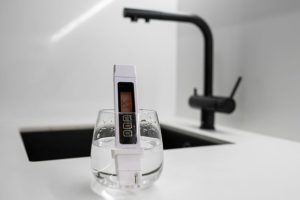
Imagine sitting down at your kitchen table, pouring an ice-cold glass of water, and taking a refreshing sip. It looks crystal clear. It has no chemical odor, and it tastes exactly the way water should. You assume, quite logically, that it’s completely safe. After all, your municipal water provider sends out those annual leaflets full of compliance checkmarks, reassuring you that everything is fine.
But behind that illusion of clarity lies one of the most complex environmental and public health challenges of our time: the systemic contamination of our drinking supplies by a class of synthetic molecules known as PFAS.
Often referred to as “Forever Chemicals,” these substances have silently slipped into the water tables of thousands of communities across the country. They don’t leave a brown stain on your sink, they don’t smell like backyard pool chlorine, and they won’t alter the taste of your morning coffee. Yet, they are actively flowing out of residential taps, forcing homeowners to confront a sobering reality: if you want to protect your family from modern industrial contaminants, you have to stop relying entirely on public infrastructure and start taking water security into your own hands.
In this guide, we will break down exactly what these chemicals are, why our public water treatment plants are struggling to keep up with them, and the concrete, professional-grade steps you can take to remove them from your home for good.
What Exactly Are “Forever Chemicals”?
To understand the scope of the problem, we have to look at the chemistry of the modern home. PFAS—short for per- and polyfluoroalkyl substances are a family of thousands of man-made chemicals developed back in the 1940s. Engineers discovered that if you bond carbon atoms tightly to fluorine atoms, you create a material that is incredibly stable. It resists heat, repels water, and shrugs off grease.
Because of these unique properties, chemical manufacturers began using PFAS in a staggering array of consumer goods. It went into the non-stick coating on your frying pans, the stain-resistant treatments on your living room carpets, the waterproof membranes in your hiking boots, and even the heavy-duty firefighting foams used at airport runways and military bases.
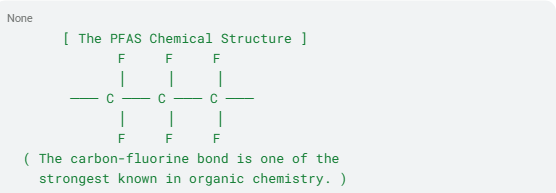
The very thing that made PFAS a miracle of modern industrial manufacturing is exactly what makes it an environmental disaster. That carbon-fluorine bond is one of the strongest bonds known to organic science. It is virtually unbreakable.
When these consumer goods are manufactured, used, and thrown into landfills, the chemicals wash into the soil and seep directly into our shared aquifers. They do not biodegrade. They don’t rust away, sunlight doesn’t break them down, and bacteria won’t eat them. They remain in the environment forever. And once you ingest them through your tap water, they accumulate in your body, building up over a lifetime.
The Public Utilities Crisis: Why Cities Can’t Keep Up
It’s easy to feel angry at your local water utility when you read about these contaminants, but the reality is that municipal water systems are caught in a massive regulatory and structural bottleneck.
Most city treatment facilities were designed decades ago to handle macro-level threats. They are exceptionally good at filtering out large sediment, mud, and sand, and they use chemical disinfectants like chlorine to kill immediate biological dangers like E. coli or parasites.
However, city utilities were fundamentally never engineered to act as microscopic chemical separation plants. Filtering out a trace chemical compound measured in parts per trillion (ppt) requires incredibly dense, high-pressure filtration media that most municipal budgets simply cannot scale across millions of gallons of daily utility water.
To make matters more complicated, regulatory compliance takes time. The EPA recently introduced historic, legally binding maximum contaminant limits for prominent PFAS compounds like PFOA and PFOS. However, because updating city infrastructure requires massive taxpayer investments and years of engineering overhaul, federal timelines have given public water systems until 2029 to finish testing and until 2031 to implement the actual filtration upgrades.
That leaves a significant multi-year gap where the water flowing into your home may legally exceed safe health guidelines. If you have young children or want to avoid a decade of steady chemical exposure, waiting for a municipal upgrade isn’t a viable strategy. You need a solution inside your own walls.
Point-of-Use vs. Whole-House: Building Your Home Defense
If you are ready to stop using your body as the filter, you have to build an unbreachable barrier inside your house. When it comes to tackling forever chemicals, home water treatment falls into two strategic categories:
1. Point-of-Use Systems (Microscopic Protection)
If your primary goal is to ensure the water you actually consume is completely safe, an under-sink Reverse Osmosis (RO) system is your absolute best line of defense.
An RO system uses your home’s natural water pressure to force tap water through an incredibly tight, semi-permeable membrane with pores roughly 0.0001 microns wide. Because PFAS molecules are physically much larger than the membrane’s microscopic openings, they hit the wall, bounce off, and are flushed away down a drain line. Independent testing from institutions like Duke University has confirmed that multi-stage under-sink Reverse Osmosis units are the most consistent and reliable home technology, removing over 95% to 99% of all PFAS variants from your drinking glass.
2. Point-of-Entry Systems (Whole-House Carbon Barriers)
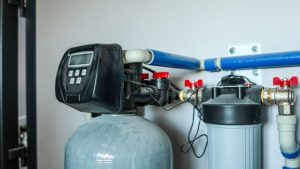
A whole-house filtration system is installed directly in your garage or basement where the main water line enters your property.
- How it works: These systems typically use massive tanks packed with Granular Activated Carbon (GAC) or specialized catalytic carbon media.
- The Benefit: Carbon filters work through a process called adsorption. The microscopic surface area of the carbon acts like a magnet, catching organic chemical molecules as the water passes through. A high-capacity whole-house carbon filter ensures that the water running through your showers, bathroom sinks, and washing machines is scrubbed of chlorine odors and chemical residues, protecting your skin and lungs from vaporized chemicals.
Top-Rated Systems for PFAS Elimination
To effectively strip out synthetic industrial chemicals, you cannot rely on basic gravity-fed pitcher filters. You need robust, certified equipment that can handle high mineral and chemical volume. Here are three professional systems engineered for maximum safety:
- APEC Water Systems Ultimate Series RO-90: This premium under-sink Reverse Osmosis system is a certified powerhouse. It features ultra-dense, super-capacity filtration blocks that provide a physical brick wall against heavy metals, nitrates, and microscopic forever chemicals, delivering pure drinking water for your kitchen.
- Aquasana Rhino Whole House Filter & Conditioner: This comprehensive hybrid setup uses an advanced multi-stage carbon media block to capture chlorine, pesticides, and trace industrial compounds at the main entry line. It protects your entire home’s water supply while conditioning hard water minerals without using salt.
- SpringWell Salt-Free Water Conditioner & Carbon Combo: A high-flow system that combines specialized anti-scale technology with premium coconut shell carbon media. It is excellent for homeowners who want to remove harsh chemical odors and protect their indoor air quality without sacrificing house water pressure.
Building a Safer, Healthier Home Starts With Your Water
The reality of modern public infrastructure is that it is running behind the pace of industrial manufacturing. Clear tap water is a marvel of 20th-century plumbing, but it is no longer an automatic guarantee of chemical purity.
Taking control of your water quality isn’t about being anxious; it’s about acknowledging the reality of our modern environment and making a logical choice to protect your household. Whether you decide to start with an under-sink Reverse Osmosis system to secure your family’s cooking and drinking supply, or invest in a whole-house carbon shield to protect every shower in the home, the choice to filter your own water is the ultimate foundation of a truly modern, healthy household.
If you are ready to stop using your body as a chemical filter and build a real line of defense, contact us.
Frequently Asked Questions
1. Can a standard countertop pitcher filter remove forever chemicals? Most basic countertop pitcher filters utilize loose, granular carbon designed purely to improve taste and remove chlorine odors. They lack the density, contact time, and structural pressure required to reliably trap tiny, slippery synthetic molecules like PFAS over a long period.
2. Does boiling tap water destroy PFAS and forever chemicals? No. Boiling water is highly effective for killing biological threats like bacteria, but it concentrates chemical contaminants. Because PFAS molecules have a incredibly high boiling point, boiling simply evaporates the pure H2O, leaving a higher concentration of chemicals behind in the pot.
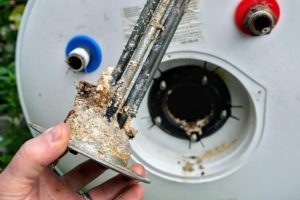
3. What is the difference between a water softener and a filter for PFAS? A traditional water softener is a mechanical tool designed exclusively to swap out hard minerals like calcium and magnesium to protect your pipes from crusty limescale. It does not possess the chemical capacity or carbon media required to attract or stop PFAS.
4. How can I find out if my local water contains forever chemicals? You can review your municipal water utility’s annual Consumer Confidence Report (CCR) or check public tracking maps maintained by organizations like the Environmental Working Group (EWG). For absolute certainty at your specific kitchen tap, you must use an independent lab test.
5. Why are these chemicals called “forever chemicals” exactly? They are given this nickname because the atomic bond between the carbon and fluorine atoms is one of the strongest bonds in organic chemistry. It requires immense industrial energy to break, meaning they don’t break down in nature or your body.
6. Do I need a whole-house filter or an under-sink system for PFAS? For total ingestion safety, an under-sink Reverse Osmosis system is highly recommended because its tight membrane provides the highest filtration rating. However, a whole-house carbon filter is a smart addition to protect your skin from absorbing trace chemicals while showering.