Hard water is a common issue across Orange County, affecting thousands of homes every day. From stubborn water spots on glassware to clogged pipes and appliances breaking down too soon, the effects of hard water can be costly and frustrating. Thankfully, water softeners provide a reliable solution, improving not just water quality but also the overall comfort and efficiency of your home.
But installing and maintaining a water softener isn’t just about plugging in a system, it’s about understanding how it works, ensuring proper installation, and keeping it in optimal condition for years to come. With Best Home Water Treatment Systems, homeowners in Orange County can enjoy long-lasting performance, advanced features, and the peace of mind that comes from professional service.
This blog will walk you through the essentials of water softener installation, the key maintenance practices you should follow, and the unique product features. We’ll also clear up common concerns and answer frequently asked questions.
Why Water Softeners Matter in Orange County
Hard water affects approximately 85% of households in the United States, and Orange County is no exception. According to the U.S. Geological Survey areas of Southern California report hardness levels that often exceed 180 milligrams per liter (mg/L), a level classified as “very hard.”
Hard water contains excess calcium and magnesium minerals that can:
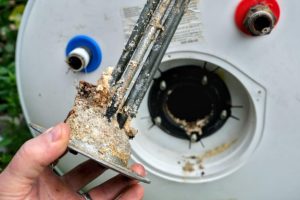
- Clog plumbing with scale buildup
- Shorten the lifespan of water heaters, dishwashers, and washing machines
- Cause soap scum and film on dishes, skin, and clothing
- Lead to dry, itchy skin and dull hair
A professionally installed water softener addresses these issues by removing hardness minerals, ensuring water flows smoothly, efficiently, and safely throughout your home.
Understanding Water Softener Installation
Installing a water softener is not a one-size-fits-all process. It requires expertise in plumbing, an understanding of water chemistry, and a system that matches your household’s specific needs.
Steps in Professional Installation
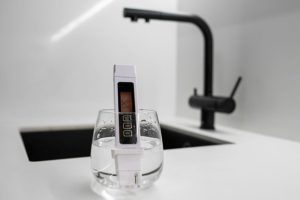
- Water Testing and Evaluation
A professional first tests your water to determine hardness levels and checks for other contaminants. This ensures the correct system size and type is selected. - Selecting the Location
Typically, softeners are installed where water first enters the home, near the main supply line. Proximity to a drain and electrical outlet is also necessary. - Plumbing Integration
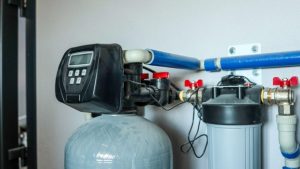
The system is connected to your home’s plumbing. Proper bypass valves and shut-off options are installed for easy servicing. - Brine Tank Setup
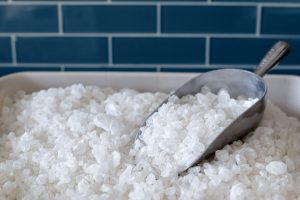
The brine tank, which holds the salt or potassium pellets, is connected to the softener. Its float valve prevents overflow, reducing risks of flooding. - Programming the Control Valve
Systems like the Watts W100 control valve used by Best Home Water Treatment Systems monitor water usage, ensuring regeneration occurs based on demand, not on a timer. This improves efficiency. - Testing and Final Check
After installation, technicians flush the system, run tests, and confirm that soft water is reaching every fixture in the home.
Products Offered by Best Home Water Treatment Systems
Best Home Water Treatment Systems provides two high-quality water softening options, each designed with advanced technology and features to meet varying household needs.
| Product | Key Features | Benefits |
| Water Softener | – Watts W100 control valve- Vortech mineral tank
– 18″ x 36″ brine tank – Space-saving design – NSF-certified tanks |
– Soft water throughout home- Scale prevention
– Reduced soap usage (up to 50%) – Extends appliance lifespan |
| Water Softener & Filtration (DM Softener) | – Dual chamber Vortech tank- Watts W100 control valve
– 4-Stage filtration – Separate brine tank |
– Combines softening + filtration- Removes impurities
– Smoother showers & bathing – Reduced chlorides |
Both systems are assembled in the USA and use innovative Vortech tank technology to ensure efficient regeneration and reduced salt usage.
Key Benefits of Installing a Water Softener
- Extended Appliance Lifespan – Water heaters last up to 50% longer when operated with softened water.
- Cleaner Plumbing – Scale buildup in pipes is drastically reduced.
- Energy Efficiency – Softened water improves water heater efficiency by up to 30%.
- Better Cleaning – Less soap and detergent are needed, saving money and reducing chemical use.
- Enhanced Comfort – Soft water provides a silky, smooth feeling when bathing or showering.
Maintenance: Keeping Your System Running Smoothly
Installing your softener is only half the journey. Proper maintenance ensures your system continues delivering high-quality water for years to come.
Essential Maintenance Tasks
- Salt Level Checks: Refill the brine tank when levels drop below half.
- Salt Type Matters: Use high-quality pellets to avoid bridging or mushing.
- Resin Bed Cleaning: Occasionally, resin beads may need cleaning or replacement.
- Brine Tank Cleaning: A yearly deep clean helps prevent salt buildup and sludge.
- Check for Leaks: Inspect pipes and connections during routine home checks.
- Monitor Water Quality: If hardness returns, it may be time for service.
Common Problems and Solutions
| Problem | Possible Cause | Solution |
| Hard water returning | Resin bed exhausted | Regenerate system or service resin |
| Salt bridge in tank | Humidity or poor salt | Break up bridge and replace pellets |
| Low water pressure | Clogged resin or plumbing | Professional inspection and cleaning |
| Overflow in brine tank | Faulty float valve | Replace valve and clean tank |
Conclusion
Installing and maintaining a water softener is one of the most effective steps you can take to improve water quality in your Orange County home. From smoother skin and spotless dishes to longer-lasting appliances, the benefits are undeniable.
With products from Best Home Water Treatment Systems, you gain access to advanced technology, USA-assembled reliability, and expert installation and maintenance services.
Don’t let hard water damage your home. Contact the professionals who know Orange County best.
Frequently Asked Questions
Q1: How often should I service my water softener?
A: At least once a year for inspection and cleaning, though routine salt checks should be done monthly.
Q2: Can I drink softened water?
A: Softened water is safe to drink, though some households prefer a reverse osmosis filter for drinking water due to the small sodium content.
Q3: Do water softeners waste water?
A: Modern softeners, like those from Best Home Water Treatment Systems, regenerate based on usage, not time, reducing water waste significantly.
Q4: What salt should I use in my water softener?
A: Use high-purity salt pellets or potassium chloride to prevent bridging and improve system efficiency.
Q5: How long does a water softener last?
A: With proper maintenance, a quality system can last 10–15 years or more.