A well-functioning water softener is essential for ensuring your home has soft water, preventing the harsh effects of hard water, and prolonging the life of your appliances and plumbing. Like all appliances, water softeners don’t last forever. As time passes, they can become inefficient or even stop working altogether. So, how do you know when to replace your water softener? Explore the signs that your system may be on its last legs and need replacing.

5 Common Water Softener Problems You Shouldn’t Ignore
Water softeners are designed to remove minerals like calcium and magnesium from your water supply, ensuring that your home has soft, clean water. However, they can develop issues over time. Here are five problems to watch out for:
- Salt Bridges
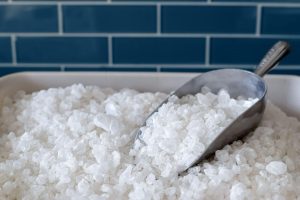
If you notice that your water softener isn’t using salt as quickly as it used to, a salt bridge might be the issue. This occurs when salt builds up and hardens in the brine tank, preventing proper softening. - Reduced Water Pressure
A drop in water pressure can indicate that your water softener is clogged. This is usually caused by a buildup of minerals or sediment in the resin bed or pipes. - Stiff or Crunchy Clothes
If your laundry feels stiff or scratchy after washing, it shows that your water softener isn’t working efficiently. Hard water can leave behind mineral deposits, making fabrics less soft. - Frequent Resin Tank Regeneration
Does your system regenerate more often than usual? This can signal that the resin beads are no longer as effective at capturing hard water minerals and may need to be replaced. - Hard Water Spots
One of the most noticeable signs of water softener failure is the reappearance of hard water spots on dishes, faucets, or showerheads. If these unsightly marks return, it strongly indicates your system isn’t functioning correctly.
When to Replace Your Water Softener?
While some water softener problems can be fixed with simple repairs or maintenance, others indicate it’s time for a total replacement. Below are seven key signs that your water softener may be nearing the end of its life.
- Your System is Over 10-15 Years Old
Water softeners typically last 10 to 15 years. If your system is approaching or exceeding this age, it’s time to consider replacing it. Even with regular maintenance, older systems tend to lose efficiency, which can result in increased water usage and higher utility bills.
- Water Tastes or Smells Unusual
A functioning water softener should improve the taste and smell of your water by removing the minerals that contribute to hard water. If your water starts to taste metallic or has a sulfur-like odor, it may be a sign that your system is no longer filtering out impurities properly.
- Rising Energy Bills
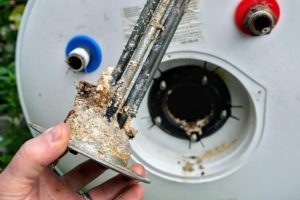
One benefit of soft water is that it helps your appliances run more efficiently. Over time, hard water can cause limescale buildup in water heaters, washing machines, and dishwashers, forcing them to work harder. If you’ve noticed a sudden spike in your energy bills, your water softener system could be the culprit, especially if it fails to remove those hard water minerals effectively.
According to a study by the Water Quality Research Foundation, appliances running on hard water can reduce their efficiency by up to 48%. This means higher energy consumption and higher household costs.
- Frequent Repairs
If you’re constantly calling a technician to repair your water softener, it’s a sign that the system is nearing the end of its lifespan. While some repairs are normal, a pattern of recurring issues suggests that the cost of repairs may soon outweigh the cost of replacement.
- Changes in Water Hardness
One of the most telling signs that your water softener needs to be replaced is if your water hardness levels fluctuate. Suppose you’re noticing periods where your water feels soft, followed by periods of noticeable hardness. This inconsistency may indicate that your resin bed is failing and can no longer filter minerals effectively.
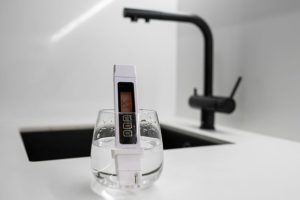
Regularly testing your water for hardness levels can help you monitor your system’s performance. According to the U.S. Geological Survey, water is considered “hard” when it contains more than 120 mg/L of dissolved minerals like calcium and magnesium. If your water consistently tests in this range despite having a softener, it’s time to consider a replacement.
- Visible Wear and Tear
Examine your water softener’s physical components for any visible signs of deterioration, such as rust, cracks, or leaks. While some wear and tear are expected over time, significant damage to critical components like the resin or brine tank indicates that the system may be beyond repair.
- Soft Water Doesn’t Feel Soft Anymore
Finally, one of the most apparent signs that your system needs replacing is if your water no longer feels soft. Soft water should feel silky on your skin when you shower and help your soap and shampoo lather more effectively. If your water feels no different from before you installed a softener, your system isn’t doing its job.

Modern Water Softener Systems Offer More Benefits
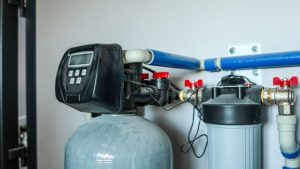
If you’re experiencing any of these issues, replacing your old water softener with a more efficient model may be time. Advances in water-softening technology have made modern systems more energy-efficient, longer-lasting, and easier to maintain. Newer models often come with digital displays, salt usage monitors, and improved resin materials, making them a worthwhile investment for your home.
Additionally, many homeowners opt for soft water installation services to replace aging systems and ensure they get the best possible results from their water treatment setup.
Upgrade Your Water Softener Today!
Replacing your water softener isn’t just about convenience—it’s about protecting your home from the damaging effects of hard water. An old, inefficient system can lead to increased energy bills, damaged appliances, and unpleasant water quality. By staying aware of the signs that your system needs replacement, you can avoid costly repairs and enjoy the benefits of soft water for years to come.
Don’t let hard water wreak havoc on your home. Contact Best Home Water Treatment Systems for expert water softener installation and get a free consultation to find the perfect system for your needs. Take the first step toward softer, cleaner water—schedule your installation today!