Living in Southern California offers an unparalleled lifestyle, but the water flowing through our pipes presents a unique set of challenges. Every time you wipe down a foggy glass shower door, scratch at dry skin after a hot shower, or brew a pot of coffee that carries a sharp chemical aftertaste, you are experiencing the direct impact of the regional water supply. The tap water in Orange County is strictly regulated and safe to drink. However, it is also incredibly hard and heavily disinfected with chloramine.
If you are tired of replacing water heaters prematurely or feeling like you just stepped out of a public swimming pool, a whole house water filtration system offers a permanent fix. By treating the problem exactly where the water enters your home, you protect every single tap, appliance, and showerhead at once. Cutting into your main plumbing line is a serious infrastructure project. Before you commit to an installation, you need to know exactly what contaminants are in your water, what the installation process involves, and what you should expect to pay for a professional setup in today’s market.
What Is Actually in Orange County Tap Water
Before you choose any water treatment equipment, you have to know exactly what you are treating. Southern California does not rely on a single, uniform water source. The supply is a complex blend. The Metropolitan Water District imports massive amounts of water from the Colorado River and the State Water Project, and local utilities then mix that imported water with regional groundwater.
This blended approach creates two massive, distinct headaches for local homeowners.
1. Extreme mineral hardness
As water travels hundreds of miles through aqueducts and deep underground aquifers, it constantly dissolves calcium and magnesium. By the time it reaches the local municipal grid, it is carrying an incredibly heavy mineral load.
Water hardness is measured in grains per gallon. Water above seven grains per gallon is classified as hard, and anything above 10.5 grains is very hard. Orange County sits well past that second line. Yorba Linda Water District reports that its imported supply averages 18 grains per gallon and its local groundwater averages 20, which puts it among the hardest water in Southern California.
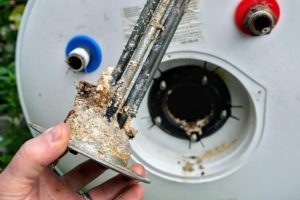
At these extreme levels, mineral scale drastically shortens the life of tankless water heaters. It restricts the flow of your showerheads and leaves a stubborn white film on your glassware that premium dish detergents simply cannot remove.
2. Chloramine and emerging chemicals
To keep the massive regional grid completely free from bacteria, the Metropolitan Water District of Southern California disinfects the supply with chloramine.
Standard chlorine is volatile and evaporates easily. Chloramine is a blend of chlorine and ammonia, and it is designed to stay in the water all the way to your tap. That persistence is the entire point for the utility company, but it becomes a major problem for the homeowner. Chloramine can irritate sensitive skin, it carries into cooked food, and an ordinary carbon filter cartridge will not remove it. A chloramine filter requires catalytic carbon media, which is a highly modified material distinct from the standard carbon used in basic pitchers and fridge filters.
PFAS, the synthetic compounds often called forever chemicals, have also been detected in the Orange County groundwater basin, which supplies about 85 percent of the drinking water in north and central Orange County. The Orange County Water District describes the amounts as very small and has treatment underway: more than 100 wells were affected and 55 are back online, under a program expected to cost $1.8 billion over 30 years. Utilities are addressing it at the source, and a whole house filter adds a second barrier at your own property line.
How Plumbers Size a Whole House System
One of the most common mistakes homeowners make is buying a generic system online without calculating their home’s specific flow rate. Plumbers do not guess at system size. They engineer the setup based on the physical demands of your house.
If a system is too small, it creates a massive bottleneck. The filter restricts the flow so severely that downstream appliances starve for water. A professional installer evaluates your peak flow rate by counting every water fixture in the house, from toilets and dishwashers to multi-head luxury showers. They also measure your incoming pipe diameter. If your main line is a one-inch copper pipe, installing a filter with three-quarter-inch valves will permanently drop your water pressure. Proper sizing ensures you get clean water without sacrificing the strength of your morning shower.
The installation process: what happens on install day
Putting a heavy duty system on your main water line is a major plumbing event. You are completely altering how water behaves inside your home infrastructure. If you hire a professional local installer, you can expect the process to follow a very specific and highly structured sequence.
Step 1: The site audit and water test
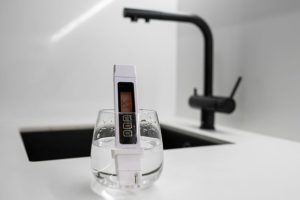
A professional installation never begins with a hacksaw. It begins with a diagnostic test. An installer will test your specific tap water to confirm your exact hardness levels and chemical makeup. They will also audit your plumbing infrastructure to locate your main shutoff valve and determine your incoming pipe diameter. This ensures the filter valves are sized perfectly.
Step 2: Choosing the Staging Ground
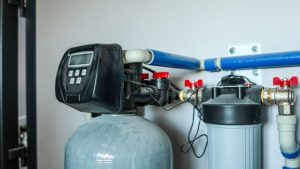
Whole house systems require a dedicated physical space. The media tanks are heavy and must be protected from freezing temperatures and direct baking sunlight. In Orange County, these systems are almost always installed inside the garage or tucked neatly into a dedicated utility closet. If you are also installing a water softener alongside your filter to combat the 20-grain hardness, the installer must position the equipment near a standard electrical outlet and a floor drain to handle the routine daily regeneration cycles.
Step 3: Shutting Down and Cutting the Main
The plumber formally shuts off the municipal supply to the property and drains the residual water from your indoor pipes. Using specialized pipe cutters, they cut the main copper or PEX line entering the house. From that exact moment until the work is finished, the house will be completely without running water.
Step 4: Building the Bypass Valve
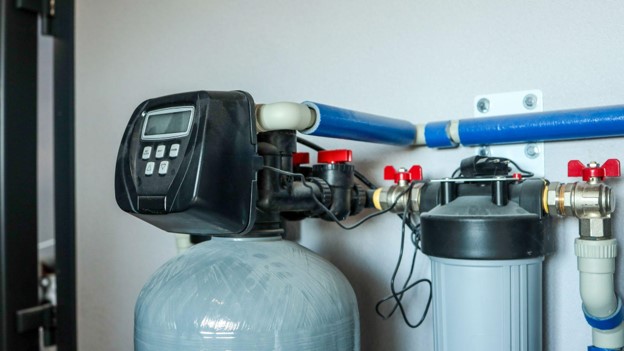
Before connecting the heavy filter tanks, a professional installer builds a bypass loop. This loop consists of three shutoff valves plumbed in a specific configuration so that city water can be routed around the filtration tanks entirely. If the filter ever springs a leak or needs annual media service, you simply turn those valves. The house keeps running water while the tanks are isolated and safely depressurized.
Step 5: Connecting the Tanks and Flushing
The plumber solders or threads the new piping from the bypass loop directly into the inlet and outlet ports of your filtration tanks. Once everything is securely tightened and checked, they slowly open the main city valve to re-pressurize your home.
You will likely hear a loud rush of air escaping the pipes. The installer will flush the system for several minutes to rinse away any loose carbon dust or installation debris before officially turning the clean, filtered water over to your interior faucets.
Avoiding the DIY Installation Trap
With countless online video tutorials readily available, it is tempting to buy a system online and try to plumb it into your garage on a free Saturday afternoon. For a minor under-sink drinking filter, a DIY approach is completely acceptable. But when dealing with a whole-house point-of-entry system, cutting corners is a terrible idea.
You are severing the primary pressurized water line for your entire property. If a solder joint fails or a threaded connection is misaligned, you will not just get a tiny puddle. A main line under municipal pressure moves a massive volume of water into the garage incredibly quickly.
Orange County municipalities also enforce strict plumbing codes, and altering a main water line usually requires a formal city permit. Unpermitted work that leads to catastrophic water damage can give your homeowner’s insurance provider legitimate grounds to deny the claim entirely. Hiring a licensed, insured local professional keeps the work fully compliant and backed by a labor warranty.
What Whole House Water Filter Installation Costs in Orange County
The final cost of a whole house water filter installation in Orange County comes down to four specific factors: the type of system, how much water the household uses, how complicated the plumbing tie-in is, and whether a dedicated softener goes in at the exact same time.
A standard whole-house filter installation can run roughly $1,500 to $2,000 installed. However, Orange County jobs commonly land well above that range for two highly localized reasons. First, the water here usually calls for premium catalytic carbon media rather than standard carbon because standard carbon simply does not remove chloramine. Second, at 18 to 20 grains of hardness, most homes need a traditional water softener or a salt-free conditioner installed directly alongside the filter. A dual-tank filtration and softening system pushes the total investment higher.
The rest of the cost comes down to structural access and city paperwork. A main water line that is already exposed on a garage wall makes for a short, affordable job. A main line buried behind a finished wall or routed under a concrete slab requires demolition and drastically increases labor costs. Furthermore, most Orange County cities require a paid plumbing permit for work on the main line. A softener also needs a dedicated drain line and a nearby electrical outlet, which occasionally means hiring an electrician to run new conduit.
Investing in Your Home’s Long-Term Plumbing Health
Most homeowners spend real money on luxury appliances, expensive shower fixtures, and high-efficiency washing machines. It is absolutely worth protecting those investments from the aggressive, mineral-heavy water that runs through them every single day.
A whole house filter treats every tap in the house from a single strategic point. Intercepting the supply exactly where it enters the garage protects the water heater, the dishwasher, and all bathroom fixtures at the exact same time. Most homeowners notice the dramatic difference first in how their skin feels and how their glassware comes out of the dishwasher spotlessly clean.
Professionals do not guess at system size. The process begins by testing your water first, measuring the hardness in grains per gallon, checking for chloramine levels, and sizing the filtration equipment to the final result. If your home is in Orange County, securing your plumbing infrastructure starts with scheduling a water test.
Frequently asked questions
1. Do I need a permit to install a whole house water filter in Orange County?
Yes. Most cities in Orange County require a formal plumbing permit for whole-house systems because the installation physically alters your main water line. A licensed plumber will handle the permitting process to ensure everything meets strict local building codes.
2. Will a whole house filter fix the hard water scale on my showerhead?
A standard carbon filter only removes chemicals, volatile organics, and odors. To stop hard water scale from ruining your showerheads and kitchen appliances, you must pair your filtration system with a dedicated water softener or a specialized salt-free water conditioner.
3. How long does the installation process typically take?
A professional installation usually takes three to five hours. This specific timeframe includes draining the main water line, cutting and soldering the new pipe connections, building the bypass valve, and performing a final pressure test to check for any micro leaks.
4. Can I take my whole house filtration system with me if I move?
Technically yes, but it is rarely worth the physical hassle. You would have to pay a plumber to remove the heavy tanks and perfectly reconstruct the original pipe network. Most homeowners simply leave the system behind as a premium selling feature for the new buyers.
4. Does a whole house filter drop my home water pressure?
A correctly sized system will not noticeably drop your water pressure. Your professional installer must match the filter valves to your main pipe diameter and calculate your home’s peak flow rate to ensure multiple showers can run simultaneously without any performance issue.
5. How often do I need to change the filters?
The main filtration media tanks usually last five to ten years before requiring a full media replacement. However, you will need to replace the small sediment pre-filter cartridge every six to twelve months to prevent dirt from clogging the system and restricting your overall water flow.